
Seeing beyond a Western approach to knowledge
Associate Professor Spencer Lilley is exploring how cultural heritage institutions are incorporating mātauranga Māori into their practices.
Libraries, art galleries and museums have been an important part of societies around the world for thousands of years—they preserve cultural heritage, and inspire imagination and creativity. These institutions are also a place for people to have free access to a wealth of information, and forge social connections by providing a welcoming community space.
But how do we ensure these cultural taonga accurately reflect who we are as a society today in Aotearoa New Zealand? And why is that important?
Associate Professor Spencer Lilley (Te Atiawa, Muaūpoko, Ngāpuhi, Sāmoa) is the programme director for Information Studies in the School of Information Management at Te Herenga Waka—Victoria University of Wellington. It’s a subject area focused on the creation, use, engagement, and governance of information in all its forms across galleries, libraries, archives, museums, and records (GLAMR) institutions.
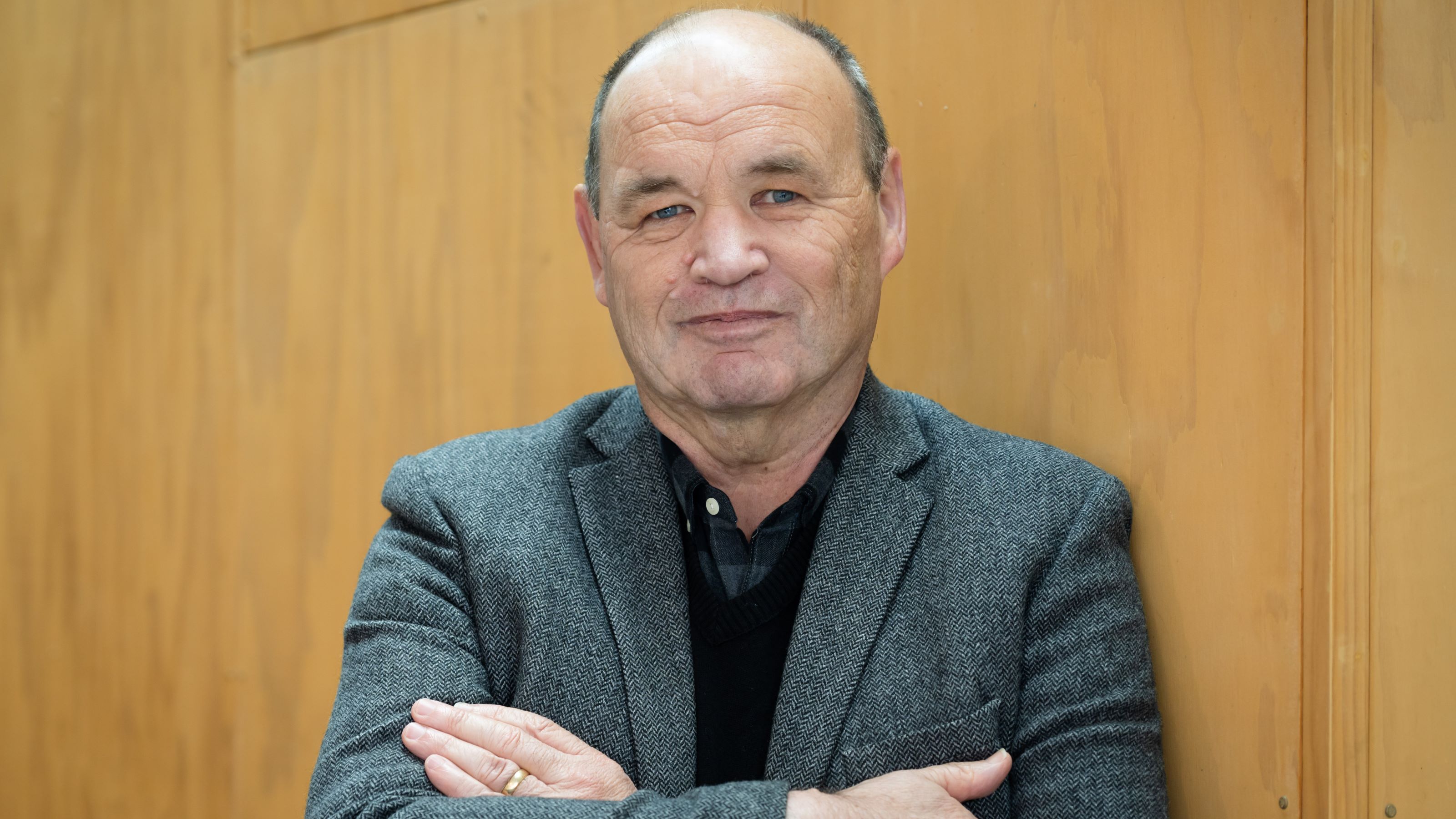
Spencer is internationally recognised for his research on how Māori engage with libraries and cultural heritage institutions, and has received three Royal Society of New Zealand Marsden awards. Te Herenga Waka ranks 43rd in the world for Library and Information Management in the 2026 QS Quacquarelli Symonds Subject Rankings—the high position is in no small part thanks to his expertise.
Spencer worked in libraries for 25 years, managing resources and services in the mātauranga Māori space, before becoming an academic.
“The critical part of my research is looking at how GLAMR institutions are incorporating mātauranga Māori into their everyday practices, policies, and services,” he says. “I’m also interested to find out what impact that is having on their relationship with Māori communities, and how they are using that as a way of getting more Māori into their workforce.”
I want to find out how mātauranga Māori is being used to transform the cultural outlook of staff at GLAMR organisations, so that they see beyond the traditional Western approaches to knowledge.
Associate Professor Spencer Lilley
Programme Director for Information Studies
Spencer’s scholarship also helps institutions around the world to think about how they can indigenise their collections and services. He says the GLAMR sector in places like Canada, the United States, and Australia often look to Aotearoa for examples of how to improve their reflection of Indigenous culture.
“Having that unified understanding that exists across iwi within Māoridom of tikanga, language, and other values, means that we have an advantage. These other countries have many different cultures, languages, and knowledge structures within their Indigenous peoples. There’s still a lot of work to be done here, but we are ahead of where they are in other parts of the world.”
Indigenisation vs colonisation
On one of his early international research trips, Spencer was surprised by what he saw at key sites of Indigenous history.
“I remember looking at First Nations totem poles in Stanley Park and the Museum of Anthropology in Vancouver—they were only described in English and in French, not in the Indigenous language. The first time I approached that I thought, heck, where’s the Indigenous description of this? So that's really what got me interested in ideas of decolonisation and indigenisation."
It's an issue the GLAMR industry has grappled with in relation to Te Tiriti o Waitangi obligations, especially for publicly-funded institutions. The difference between decolonisation and indigenisation, Spencer explains, is that one is about undoing existing structures and the other is about working within them to create meaningful change.
“A library is a colonial construct here in New Zealand, because Māori didn't have libraries—it has come in with its own set of rules and it’s trying to implement that set of rules over another knowledge culture. Decolonisation means stripping back those structures to actually recreate something that is more in tune with that Indigenous culture,” he says.
“Whereas with indigenisation, it's more about incorporating a transformational structure where you weave Indigenous elements into an existing institution. You bring in people who are able to use their knowledge in a way to help the organisation make that transformation.”
Spencer is currently working on a Marsden-funded project to investigate how Aotearoa’s library and information institutions have been incorporating Indigenous knowledge into their services and resources.
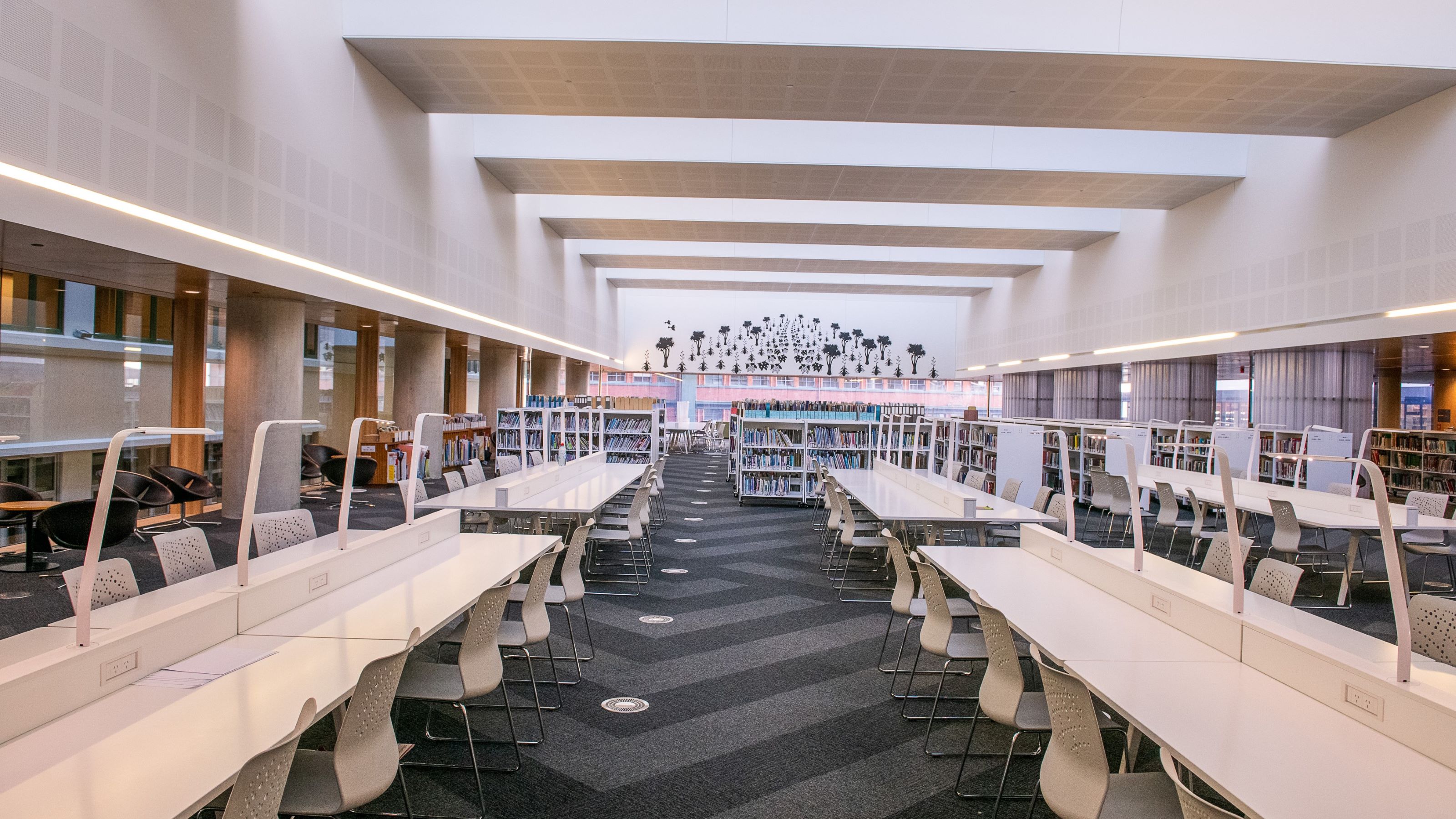
“I have talked to a lot of people, and over the last 40 years there has been a massive shift in the way that our institutions are engaging in mātauranga Māori and connecting with their local iwi and hapu. It’s clear it hasn’t always been easy—there are organisations that are doing well, but they are still looking for ways that they can improve.”
In an earlier Marsden-funded project, Spencer published research about how institutions here have decolonised their Māori collections to ensure they don’t contain inauthentic or inaccurate information, and worked to then reconstruct their collection with mātauranga Māori as a starting point.
A cultural overhaul
Spencer has also previously looked at how GLAMR institutions have helped revitalise te reo Māori by incorporating it into their collections and resources. Spencer says things have definitely come a long way from when he was a curious child exploring his local museum and library.
Museums and libraries were very monocultural back when I was a kid—there was hardly any use of the Māori language. Museum exhibitions were largely described from a settler point of view rather than any real involvement of Māori.
Associate Professor Spencer Lilley
Programme Director for Information Studies
“There weren't many Māori working in libraries or museums at that point either, and the complicated classification system meant that Māori resources were often found in the strangest of places. So it wasn't overly user-friendly.”
He says that it started to change in the 1980s.
“We started to see the growth of Māori collections and an awareness that there was a need for libraries and archives to do better. That coincided with the 1985 amendment to the Treaty of Waitangi Act, where the Tribunal was given the retrospective powers to investigate claims back to 1840. Around that time it became quite clear that libraries and archives had to make a change.”
When Spencer got his first library job in 1986, demand for better access to Māori resources was starting to grow as people began researching land claims.
“There was this huge call on the resources and services institutions were offering and they realised that they didn't have the capability of serving those people to the best of their ability. So that's when the major impetus on providing specialised services started occurring.”
GLAMR-ing for attention—why cultural institutions are more important than ever
Spencer says like virtually every part of society, the GLAMR sector is being hit hard in the current economic climate.
“There’s a serious constraint on budgets—councils are facing rate rises, which means funding for things like libraries is under scrutiny, or capital works like refurbishment of cultural institutions are delayed,” he says.
“Unfortunately in some parts of society there’s a persistent feeling that cultural heritage institutions are a ‘nice-to-have’ because they don’t bring in any income. But if people don’t use them, they don’t see the benefit and value of these institutions. Libraries, galleries, and museums are the only place that you can go where you don’t have to buy anything. You have a chance to be informed, using the resources that they provide.”
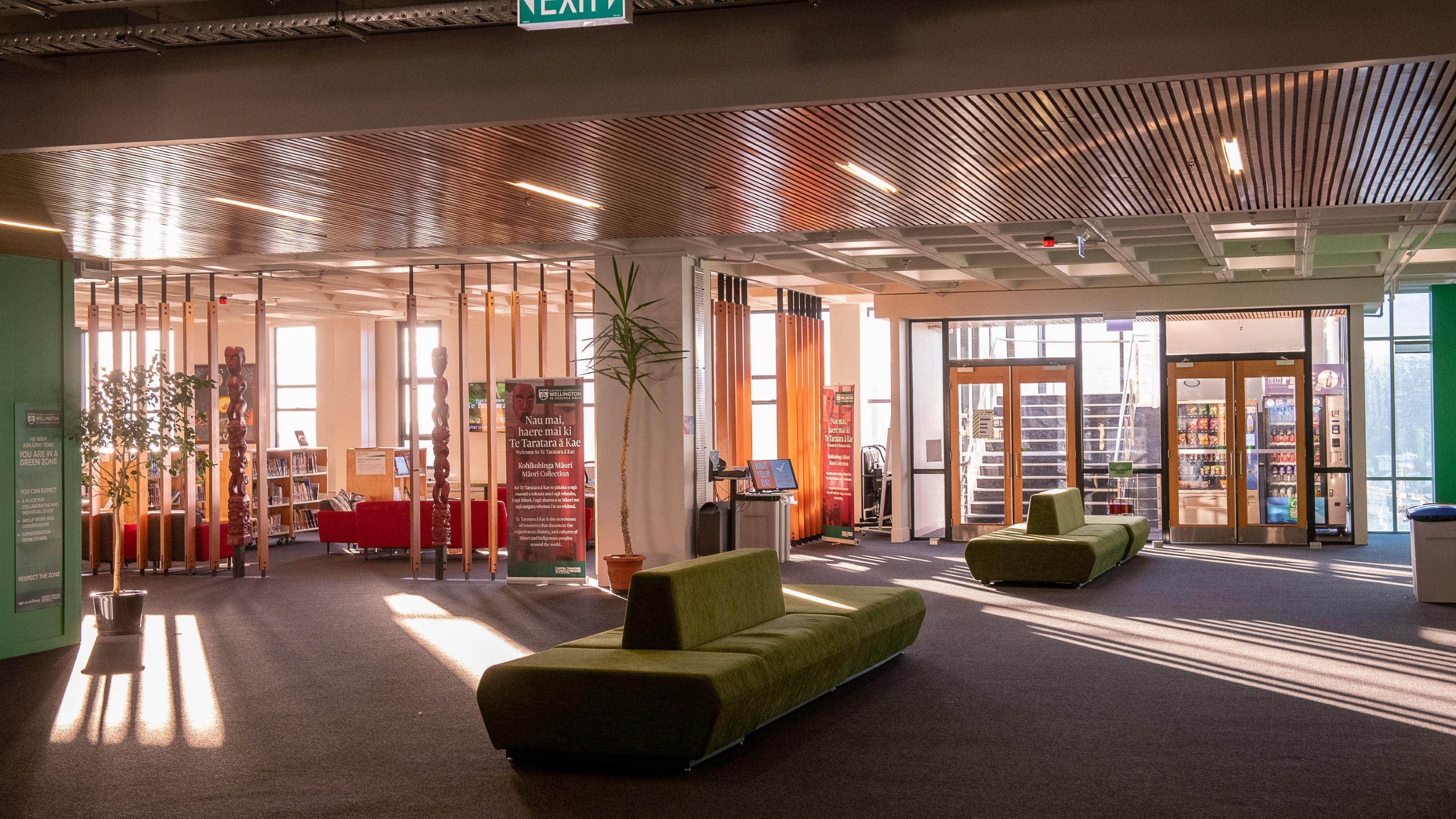
Libraries are particularly valuable, explains Spencer, because they provide a crucial part of the information cycle—free internet access.
“A lot of government departments now depend on people engaging with them online. And for most people who are using the internet in the library, it's because they don't have access to it at home. So libraries are providing a social lifeline—as well as being a place for the community to meet, they’re very important in helping people participate in democracy and engage with banks, social welfare, and other important parts of life.”
Spencer says that with artificial intelligence now an embedded part of society, and the spread of misinformation getting worse, society needs people who are skilled at evaluating data and resources, and helping the public find the facts.
“The role of information in society is becoming more important than ever, and the skills that we can teach people are still highly relevant—our graduates can evaluate the information in front of them and decide whether it's a representative of a truth or if it's misinformation.”
Associate Professor Spencer Lilley
Programme Director for Information Studies
“Libraries have been around for thousands of years in some capacity—their role and form are constantly evolving, but hopefully they'll still be around in thousands of years to come.”
Learn more about research at Te Kura Tiaki, Whakawhiti Kōrero—School of Information Management.